
Devyami
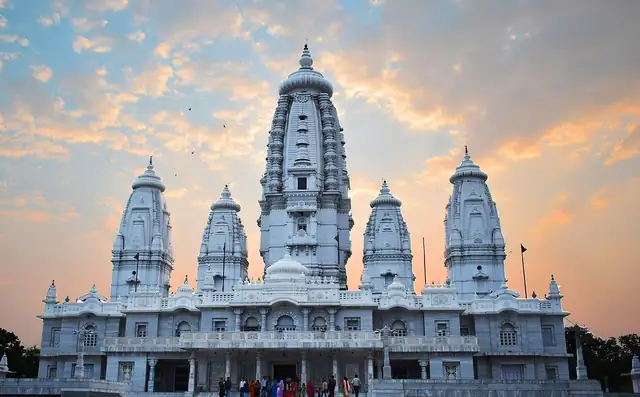
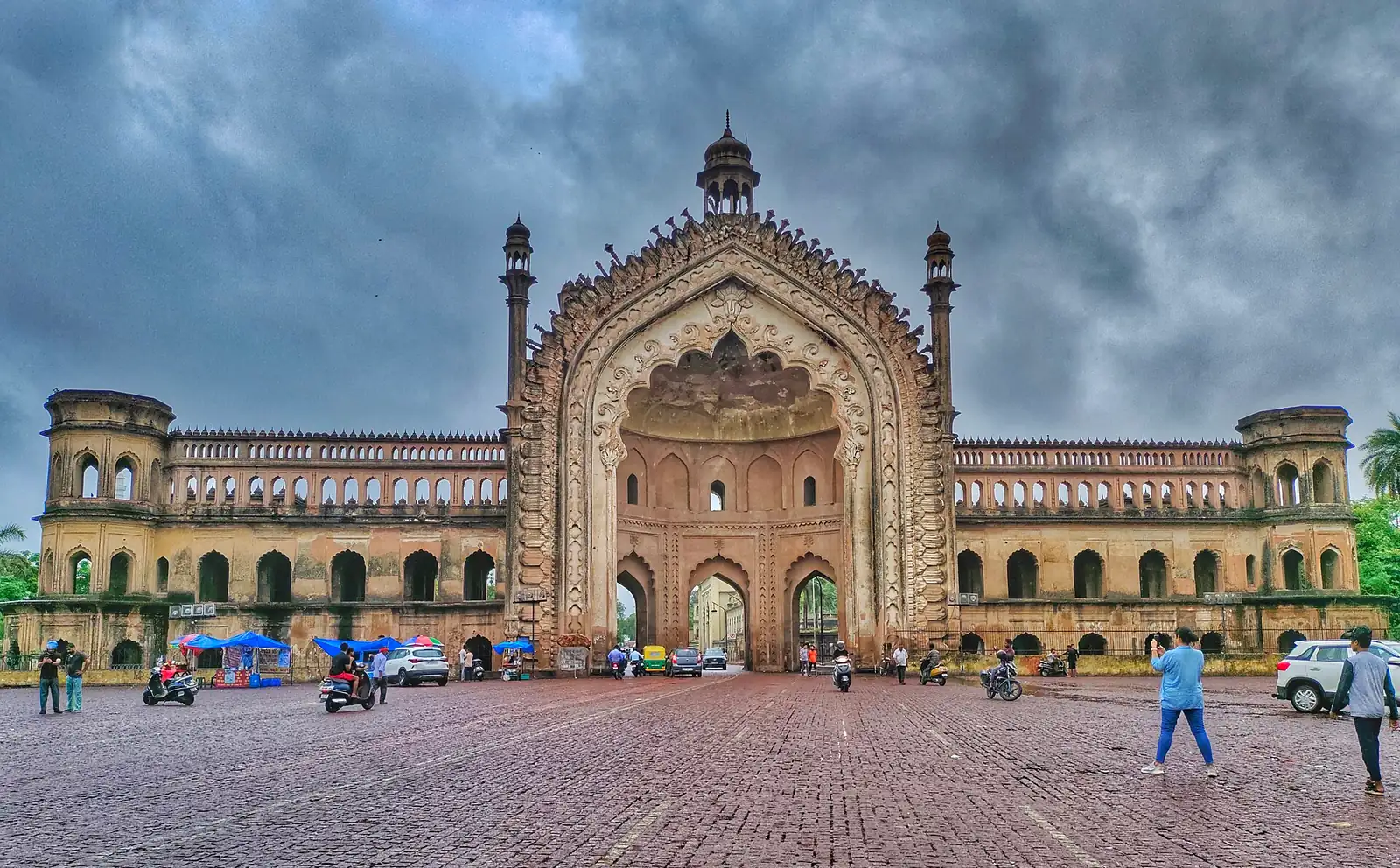
Rumi Darwaza, Lucknow

Smart water solutions in Lucknow Half Gomti and canal, half tubewell. Plan for both

Lucknow's Jalkal produces around 775 MLD, and close to half of it comes from 750 tubewells in a city CGWB rates over-exploited. We automate the pumps, treat the groundwater and keep basements dry when the Gomti rises.

Main source
Gomti, canal, tubewells
three water works, 750 tubewells
Daily production
About 775 MLD
for about 35 lakh people
Groundwater
Over-exploited
CGWB; up to about 45 m deep
Winter low
Around 8°C
January average, with fog
Photo: Vivek Sharma · CC BY-SA 4.0

From source to your tap

How water reaches you in Lucknow

Lucknow's taps draw on three water works, Aishbagh and Balaganj on the Gomti and Kathauta in Gomti Nagar on the Sharda canal, plus around 750 tubewells that produce close to half the city's water. That mix behaves differently by neighbourhood: Hazratganj and Nakkhas lose supply when the Aishbagh raw-water main is repaired, Indira Nagar and Chinhat feel every canal closure, and Aliganj has recorded the city's deepest water table. Devyami installs level controllers and motor protection for falling borewells, filtration for iron and nitrate, dewatering for monsoon flooding along Shaheed Path, and heat pumps for Lucknow's foggy winters.

  1. Step 1

    River and canal

    Raw water is drawn from the Gomti for the Aishbagh and Balaganj works, and from the Sharda canal into Kathauta lake for the Gomti Nagar side.

  2. Step 2

    Tubewells join in

    Treated surface water is supplemented by about 750 tubewells, which Jalkal counts at roughly 375 MLD.

  3. Step 3

    Zonal pumping

    Some 38 zonal pumping stations and 154 overhead tanks distribute it across the city.

  4. Step 4

    Your sump

    From the street main it reaches your sump or tank, and in many homes a private borewell fills the gaps.

  5. Where we take over

    Your tank, automated

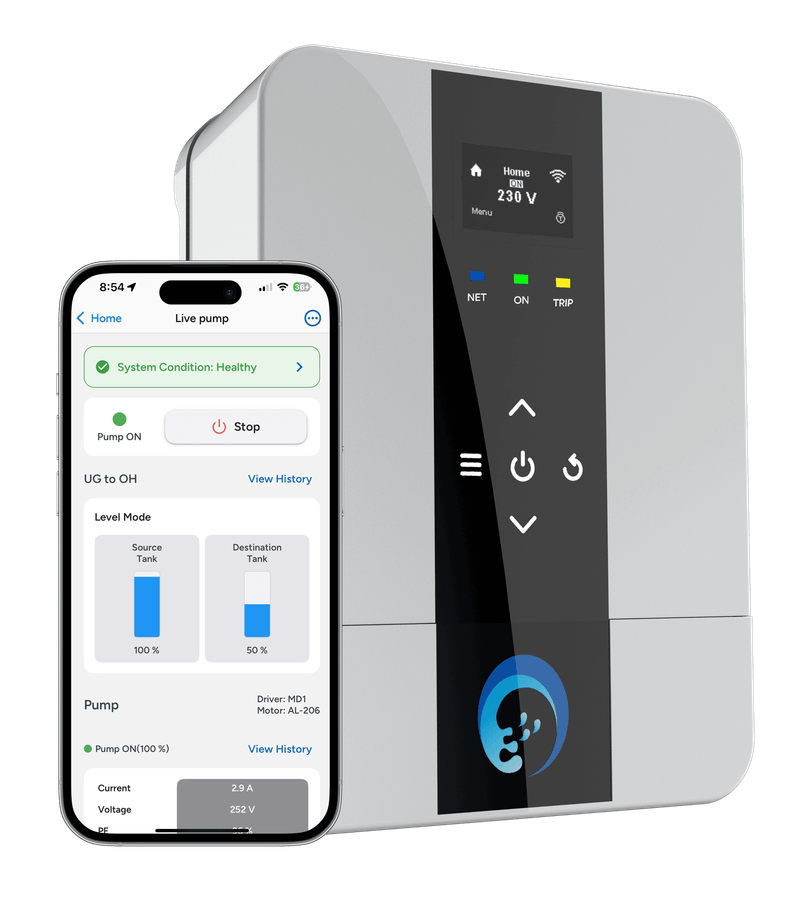
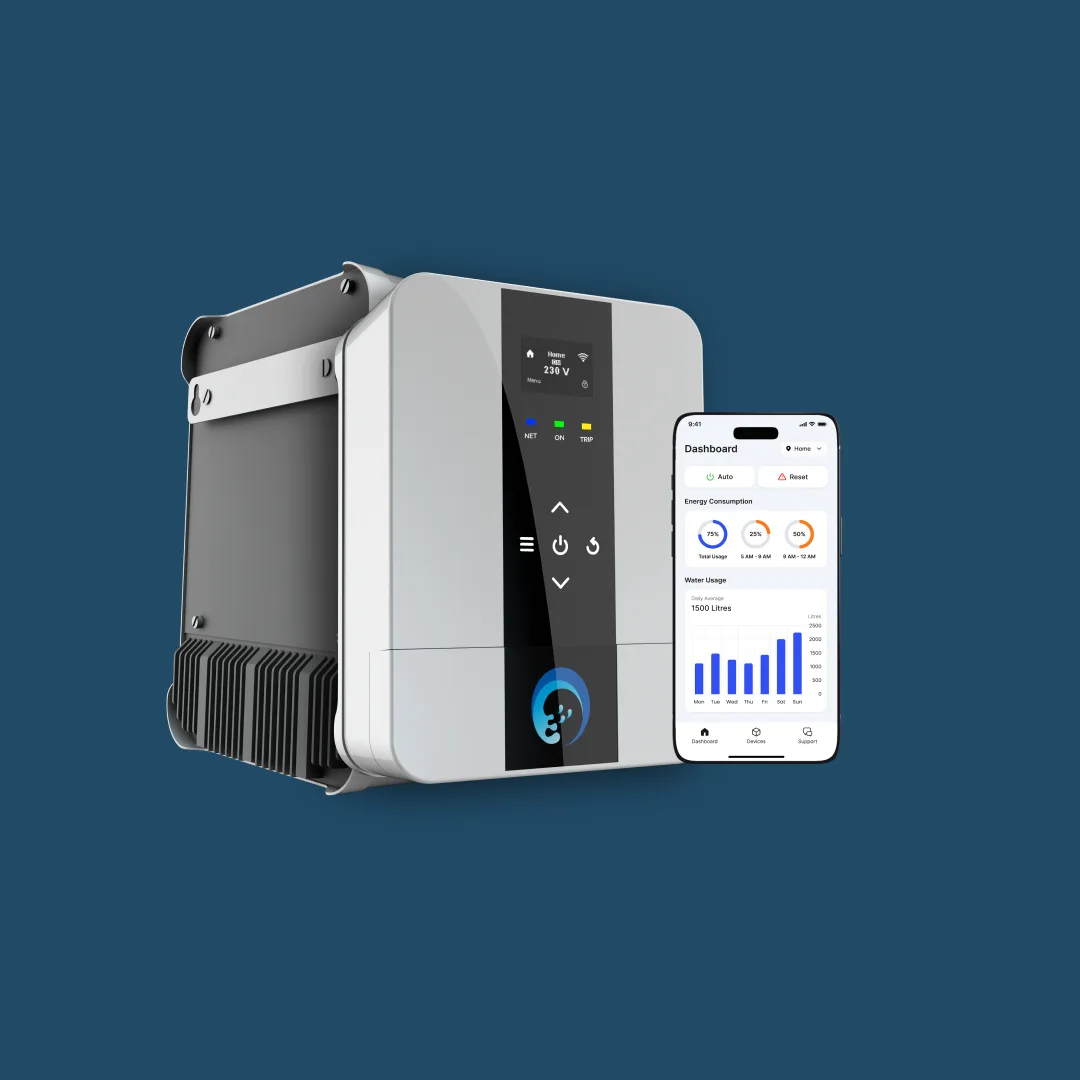
    Sensors read every tank, an APCON controller runs and protects the pump, and the app shows it all on your phone.

    How automation works →

Lucknow's water, honestly

What Lucknow throws at your water system, and the fix for each

A falling water table

CGWB has rated Lucknow city over-exploited in every assessment from 2017 to 2023, and pre-monsoon water levels deepened by roughly 1.4 to 13 m between 2014 and 2023, with the deepest reading of about 45.6 m at Aliganj. Tubewells that once needed boring to 80 to 100 feet now go down 220 to 240 feet, according to figures cited before the tribunal.

How we fix it

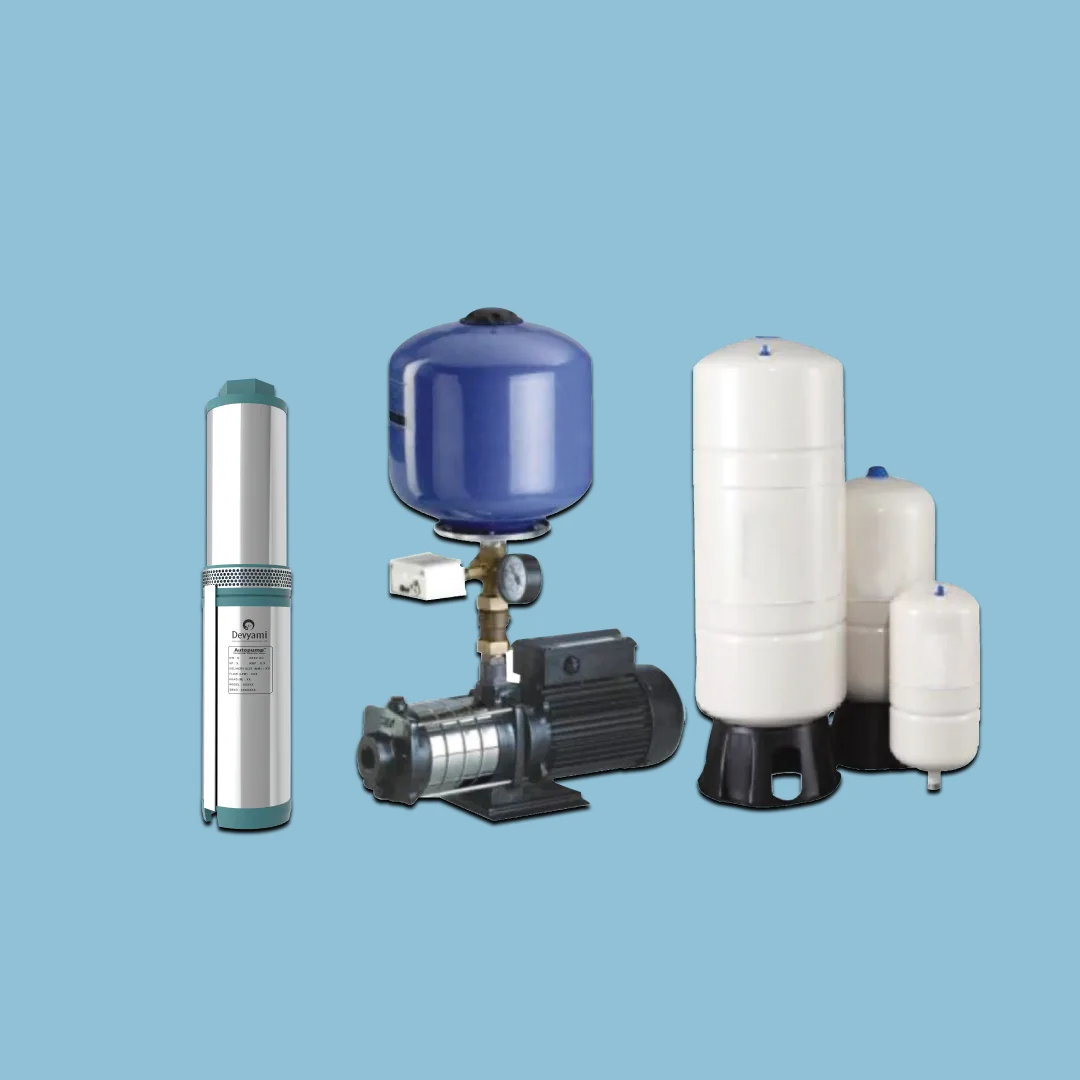
An APCON motor driver protects your submersible against dry running as the water level drops, along with overload, voltage faults and single phasing, and level control stops it once the tank is full.
Canal closures across the Gomti

Kathauta lake, fed by the Sharda canal, serves more than ten lakh people in Indira Nagar, Chinhat and Gomti Nagar. The canal is closed twice a year for maintenance, and in June 2023 the lake fell from 22 feet to under 12, leaving about a week of supply.

How we fix it

The Devyami IoT app tracks your society's tank levels and daily use in real time, so you can stretch storage through a closure and call tankers before residents notice.

Iron and nitrate underground

A 2023 study of 40 groundwater samples, tested for iron, nitrate, arsenic and hardness among other parameters, rated most of Lucknow good but found a pocket around Kukrail unfit for drinking. Quality varies from one locality to the next, so a borewell report matters.

How we fix it

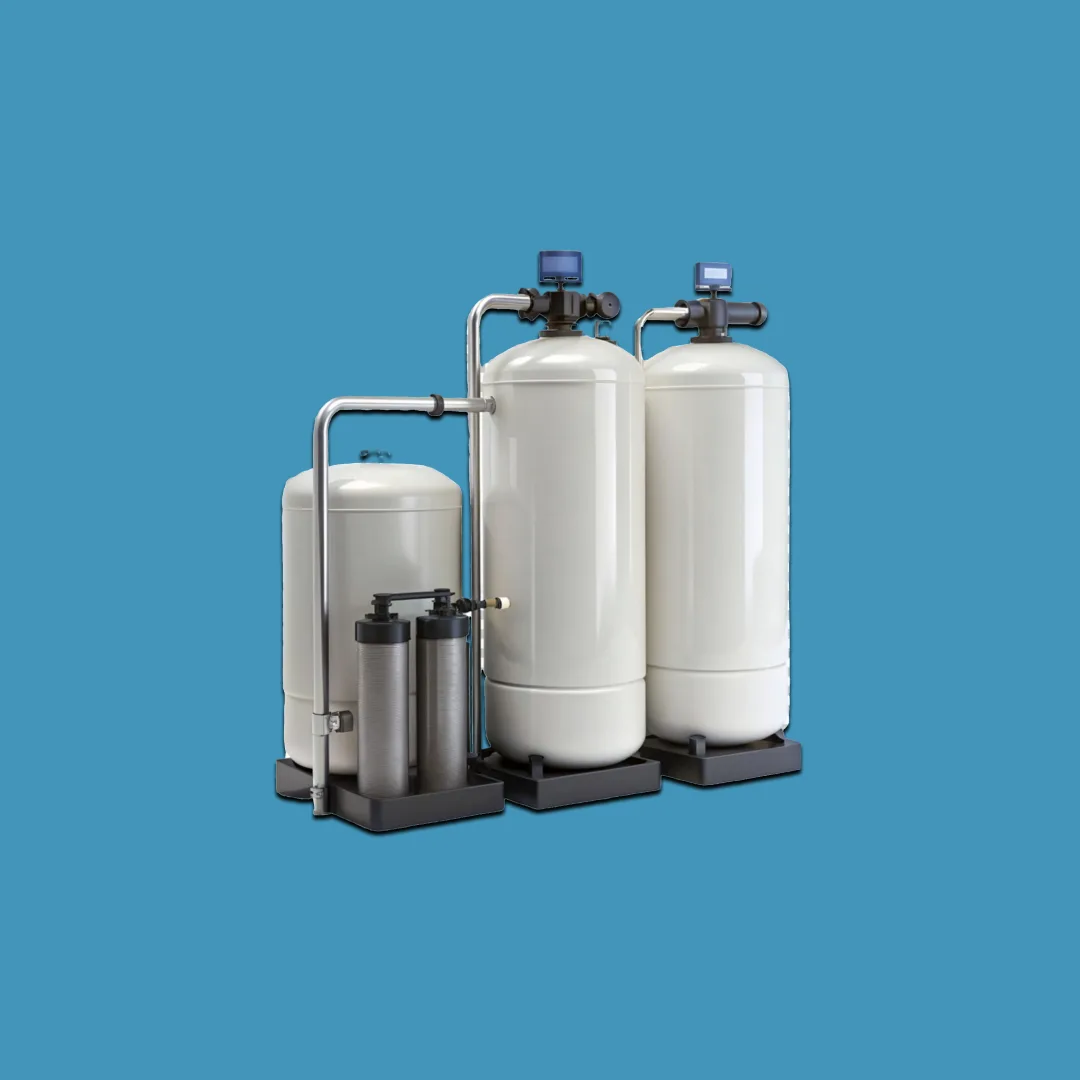
We test first, then fit iron-removal and multigrade filtration for the whole building and RO or UV for drinking water, with an APCON RO controller watching pressure and output.

When the Gomti spills over

In October 2026 the swollen Gomti waterlogged parts of Gomti Nagar Extension, the Shaheed Path service lanes and areas around Ekana Stadium. The municipal corporation deployed about 90 boats and opened night shelters in Daud Nagar and nearby localities.

How we fix it

Automatic dewatering pumps with float or level start keep basements, lift pits and underground sumps clear, and the app alerts you the moment they start.

Foggy winters, weak sun

Lucknow's January nights average under 8°C, and fog is common from mid-December to late January, which cuts solar heater output just when demand peaks. May afternoons, by contrast, average close to 40°C.

How we fix it

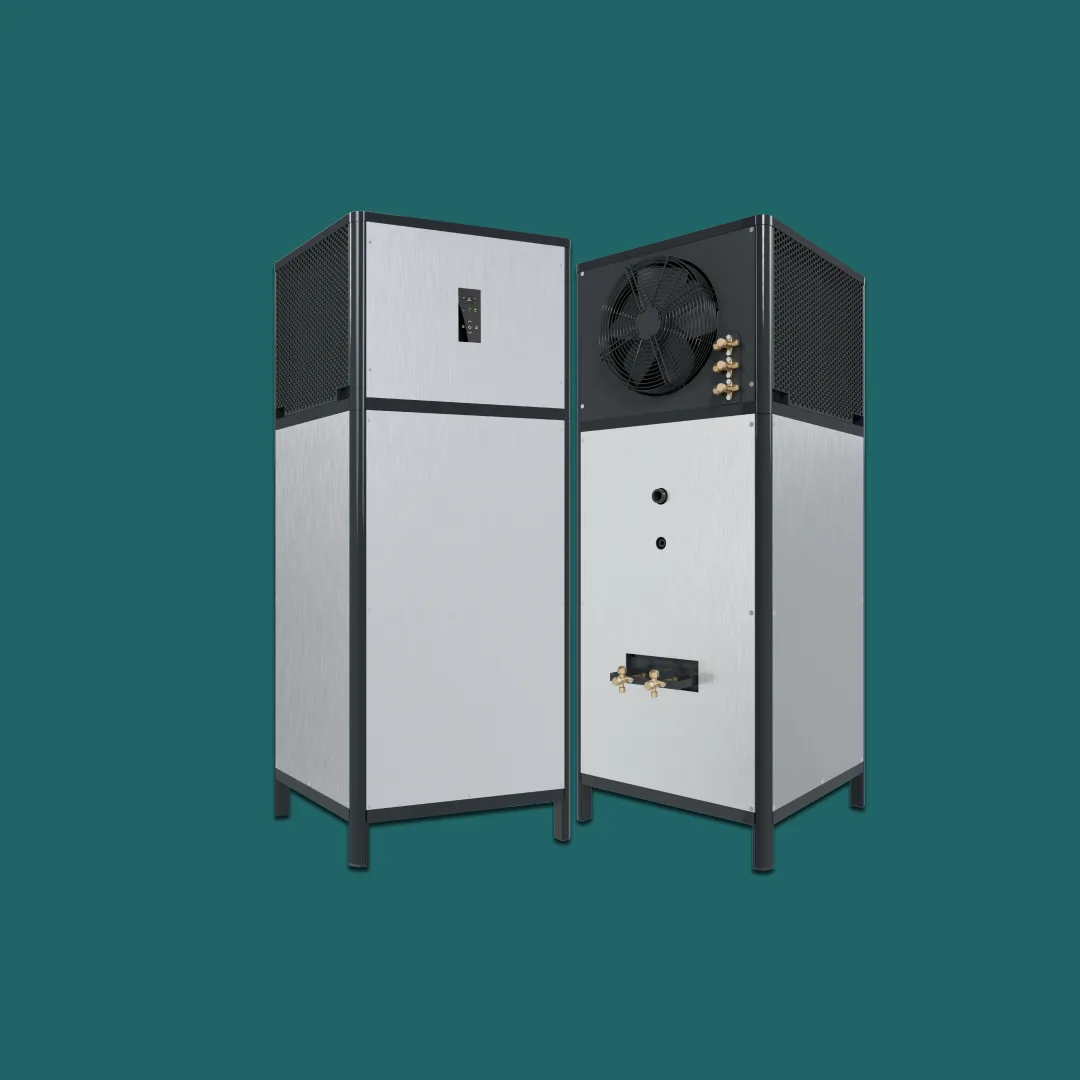
A heat pump keeps hot water steady through foggy weeks at far lower running cost than a geyser, and can share a tank with solar for the rest of the year.

Something else?

Tell us what your water is doing

Describe it in your own words. An engineer who knows Lucknow's conditions will call you back.

Start with a free site visit

Through the year

Lucknow's water, season by season

Summer

May afternoons average close to 40°C, borewell levels drop and tubewell failures start showing up across the city.

Dry-run protection and usage alerts →

Monsoon

Most of Lucknow's roughly 860 mm of annual rain arrives in a few months, and when the Gomti swells, low-lying colonies and basements take on water.

Dewatering pumps and UV treatment →

Winter

Dense fog from mid-December and January nights near 8°C make reliable hot water the season's main need.

Heat pumps and solar hot water →

Watch it run

Watch a building in Lucknow run its own water

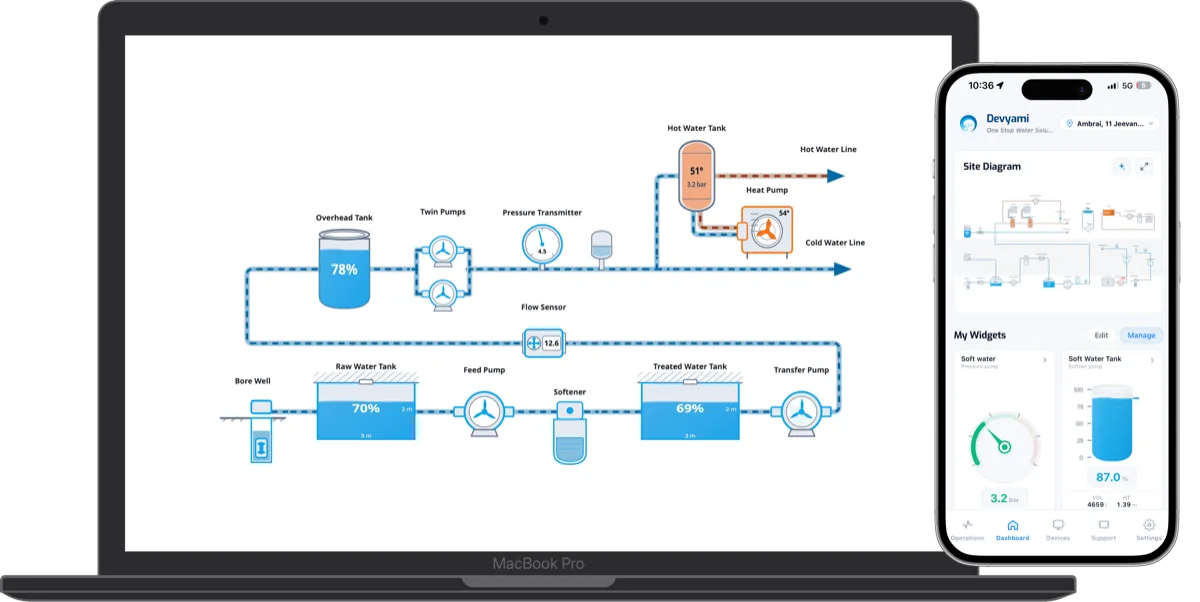
This is the same diagram our customers see in the app. The sump and the overhead tank are both sensed, and one APCON controller decides when the pump runs.

  • The pump starts when the overhead tank is low, but only if the sump has water to give
  • It stops at your full level, so the tank never overflows
  • Dry run, overload and voltage faults trip it before the motor is damaged
  • Your phone shows each level, each pump run and each alert as it happens
74%74%7,400 L7,400 L3 m3 m2 m2 mUnderground TankHydrostatic probePump56%2,800 L56%2,800 LOverhead Tank2.5 mUltrasonicPUMP ON229 VAPCON Controller

Engineered by us since 1996

The controllers behind Lucknow's pump rooms

All controllers →
Motor Driver

Motor Driver

Starter, controller and motor protection for one pump — single or three phase.

View product →
66%66%RO membraneRejectTDS 42 ppmHP 12.0 bar

RO Controller

Your RO plant's water quality, pressures and pump trips — live in the app.

View product →
50°

Heat Pump Controller

Runs the compressor, fan, circulation pump and backup heater as one plan.

View product →
P1 · DUTYP2 · STANDBY

Twin Motor Driver

Two pumps from one controller — duty shared, each motor protected on its own.

View product →

Our Workflow

Four steps from first call to lifelong service. Swipe or tap a step.

Free Site Visit
Step 1

Free Site Visit

Our engineers evaluate your requirements and give you accurate consultation for free.

📍 Request Site Visit
Get Quotation
Step 2

Get Quotation

From your requirements we will provide you with a quotation with multiple options.

Installation
Step 3

Installation

Our expert engineers will install, inspect & commission the systems at your site.

After Sales Services
Step 4

After Sales Services

Be it repairs or maintenance we stand by you as you need more services after sales.

🛠 Register Complaint

Across the city

Serving all of Lucknow

Old neighbourhoods and new growth corridors alike, from single homes to whole townships.

  • Chowk
  • Aminabad
  • Hazratganj
  • Aishbagh
  • Nakkhas
  • Rajajipuram
  • Aliganj
  • Mahanagar
  • Indira Nagar
  • Chinhat
  • Gomti Nagar
  • Gomti Nagar Extension
  • Alambagh
  • Faizullaganj

And around Lucknow

  • Kakori
  • Malihabad
  • Mohanlalganj
  • Gosainganj
  • Bakshi Ka Talab
  • Barabanki

Installers and plumbers

Work on water systems in Lucknow?

Become a Devyami dealer. You get our controllers, engineering support and the leads from this page.

Become a dealer

Questions from Lucknow

What people here ask us

Our borewell in Lucknow has had to go deeper every few years. How do we protect the pump?

Water levels in many parts of the city have dropped by several metres in a decade, so pumps increasingly run dry. An APCON motor driver cuts the motor on dry run, overload, voltage faults and single phasing, and a level sensor stops it once the tank is full.

We live in Indira Nagar and supply drops whenever the Sharda canal is closed. What helps?

More storage and better visibility. Wireless level sensors with the Devyami IoT app show tank levels and usage, and a multi-tank level controller fills several tanks in order from one pump set so no block runs out first.

Should we choose a heat pump or a solar water heater in Lucknow?

Both work, but fog from mid-December to late January weakens solar output when you need hot water most. Many homes and hostels do best with a solar heater backed by a heat pump, and we size the pair to your family or occupancy.

Do you install and service Devyami systems in Lucknow?

Yes. Tell us about your building, society or factory and our engineers design the system around Lucknow's water. A Devyami dealer or installer then installs, commissions and services it locally, and every connected controller can be checked remotely through our platform. The first site consultation is free.

Will the automation keep working without internet or after a power cut?

Yes. Level switching, pressure control, schedules and every motor protection run inside the controller on your wall, not in the cloud. The internet only carries the live view and alerts to your phone. The controller keeps its own real-time clock and remembers its delays through a power cut.

Can you automate my existing pumps and tanks without new wiring?

Usually, yes. The APCON Motor Driver takes the old starter panel’s place on the wall, on the pump and tanks you already have. Wireless level sensors reach terrace and underground tanks where running a cable would mean breaking walls. A single-pump retrofit is usually done in a few hours.

More answers in our FAQ and guides.

Free site visit

Talk to us about Lucknow

Describe your home, society, hotel or factory. We'll design around Lucknow's water and connect you with a Devyami dealer who installs and services locally.

0+
Years Experience
0+
Successful Projects
0+
Happy Customers

Prefer to call? +91 99252-26610

Get a solution in Lucknow

We'll only use these details to respond to your enquiry. See our privacy policy.

Sources for the Lucknow facts on this page
  • Jalkal: Aishbagh and Balaganj on Gomti, Kathauta on Sharda canal (80 MLD); 750 tubewells ~375 MLD; 775 MLD total; 34.75 lakh people; 38 zonal pumping stations, 154 OHTs (Sep 2025) — greentribunal.gov.in
  • CGWB: Lucknow city over-exploited (2017-2023 assessments); 7.65-45.6 m bgl in 2023, deepest at Aliganj; 1.4-13.1 m decline 2014-2023 — greentribunal.gov.in
  • Tubewells now bored 220-240 ft vs 80-100 ft a decade ago; tubewell failures in summer (news item before NGT) — greentribunal.gov.in
  • Kathauta lake (Sharda canal) serves 10 lakh+ in Indira Nagar, Chinhat, Gomti Nagar; canal closed twice a year; level 22 ft to 11.8 ft (Jun 2023) — socialnews.xyz
  • Raw-water main repair cuts supply to ~5 lakh people incl. Hazratganj, Aishbagh, Nakkhas (Nov 2025) — amarujala.com
  • Gomti flooding: Gomti Nagar Extension, Shaheed Path, Ekana Stadium; ~90 boats; shelters in Daud Nagar (Oct 2026) — nationalheraldindia.com
  • 2023 groundwater quality study: 40 samples, Kukrail pocket unfit for drinking — mdpi.com
  • Lucknow climate: Jan mean min 7.8°C, May mean max 39.9°C, ~861 mm rain, fog mid-Dec to late Jan — en.wikipedia.org
  • Hero photo: Vivek Sharma, CC BY-SA 4.0 , via Wikimedia Commons